
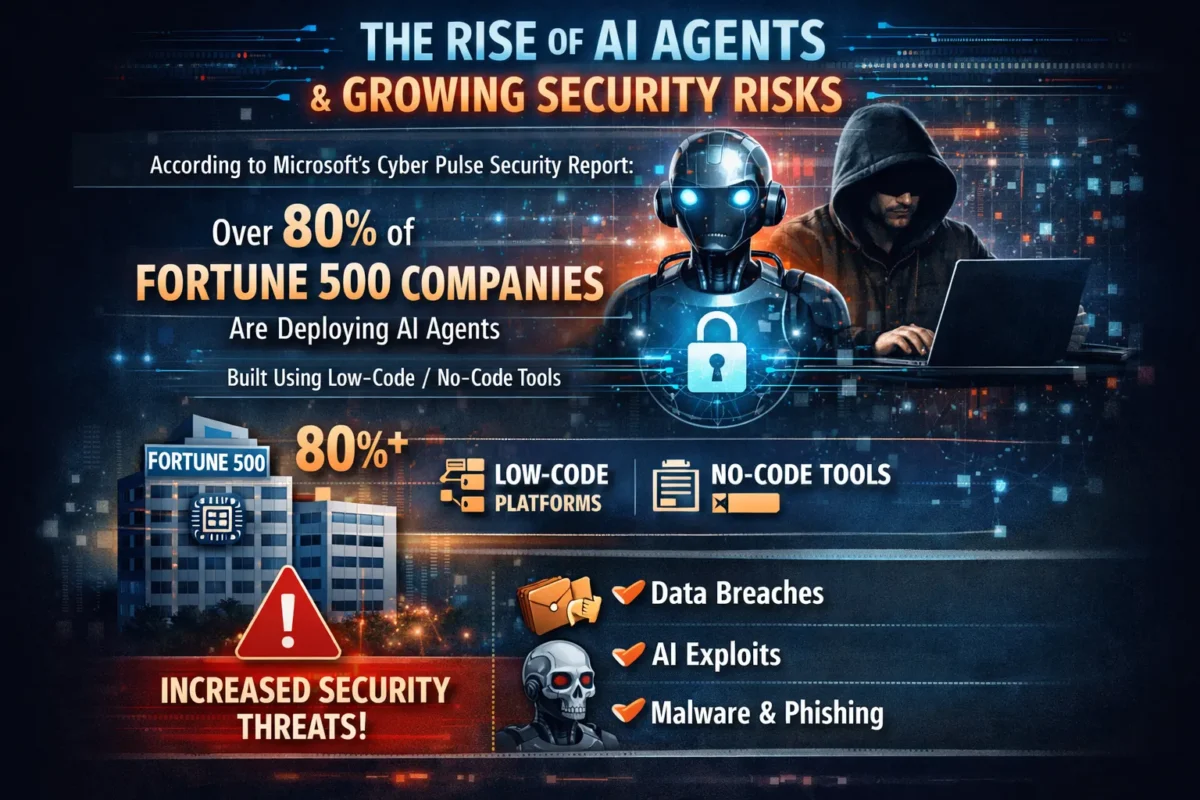
AI Agents Expose Your Business to Catastrophic Breaches
Organizations race to deploy intelligent systems across their operations. These autonomous entities draft proposals, analyze financial data, and handle customer support without human oversight. But this rush creates a security nightmare that traditional defenses cannot stop.
The explosion of autonomous systems brings unprecedented risks. Attackers now target these digital workers with devastating effectiveness. Companies face credential theft, unauthorized access to sensitive systems, and data breaches that cascade through entire networks. The stakes grow higher every day as more businesses integrate these systems without proper safeguards.
The New Attack Surface Companies Cannot Ignore
Companies deploy autonomous systems without understanding the security implications. These digital workers operate across multiple platforms simultaneously. They access databases, communicate with external services, and make decisions that affect business outcomes.
Traditional security tools fail to protect these systems. Attackers exploit the unique vulnerabilities that come with autonomous decision-making. A single compromised token grants hackers access to entire ecosystems of business applications.
Recent data reveals the scope of this problem. Over 80% of Fortune 500 companies now use active autonomous systems in production environments. These organizations struggle to answer basic questions about their digital workforce. How many intelligent systems operate in their networks? What data do these systems access? Which credentials do they hold?
The manufacturing, financial, and technology sectors lead adoption rates. They deploy these systems to automate repetitive tasks and analyze complex data sets. But rapid deployment outpaces security implementation.
Security experts warn about the trust cascade effect. When attackers compromise one node in a multi-agent system, the entire pipeline becomes vulnerable. This creates success rates far higher than traditional attacks.
Research shows that software developers using multiple agents to code, debug, and test simultaneously compound these risks exponentially. Each additional system multiplies the attack surface.
Also Read : SK Telecom Profits Crash 73% After Massive Data Breach—What Went Wrong?
Token Compromise Opens the Floodgates
OAuth tokens and API keys become prime targets for cybercriminals. These digital credentials allow autonomous systems to connect with business platforms. Attackers who steal these tokens gain the same access level as the compromised system.
Companies report alarming breach statistics. One-third of organizations experienced cloud data breaches involving intelligent system workloads. Vulnerabilities caused 21% of these incidents. Misconfigured security settings accounted for 16%. Compromised credentials drove 15% of breaches.
The problem extends beyond individual systems. Modern intelligent systems operate in swarms. They coordinate tasks, share information, and make collective decisions. This orchestration introduces credential sprawl and over-privileged access to sensitive tools.
Security professionals identify multiple attack vectors. Indirect prompt injection allows malicious actors to embed commands in documents, emails, or web pages. The system interprets these hidden instructions as legitimate commands. Attackers manipulate data processing without triggering traditional security alerts.
Industry analysis demonstrates that attackers can impersonate legitimate digital workers to access restricted resources. They manipulate communications between systems and external services. This identity spoofing bypasses authentication protocols designed for human users.
Major vendors regularly patch vulnerabilities in their platforms. Critical remote code execution flaws appear in open-source frameworks and inference servers. Even systems from Meta, Nvidia, and Microsoft require frequent security updates.
Organizations Lack Basic Visibility
Most companies cannot inventory their digital workforce. They deploy systems without tracking their integrations, permissions, or data access. This blind spot creates massive security exposure.
A survey reveals troubling patterns. Nearly half of all employees use unauthorized intelligent systems at work. Over 50% do not understand how their inputs are stored or analyzed. This shadow deployment multiplies vulnerabilities across organizations.
Security teams face unprecedented challenges. They must monitor systems that make thousands of outputs in short periods. Secrets can leak through logs or automated responses. The sheer volume of activity overwhelms traditional audit processes.
The Federal government recognizes the urgency. NIST seeks information from stakeholders about security practices for these systems. They plan to develop technical guidelines and best practices. The comment period for this initiative closes in March 2026.
Regulatory frameworks evolve to address autonomous systems directly. ISO 42001 establishes international standards for management systems. NIST provides structured approaches to identifying and mitigating risks. Enterprise leaders must map security controls to compliance mandates.
Also Read : How to Use IoT in Daily Life: A Complete Guide 2026
Security Leaders Demand Immediate Action
Experts outline critical steps for organizations. Companies must conduct comprehensive inventories of all autonomous systems. They need to understand current exposure before implementing protective measures.
Zero-trust principles become essential for these digital workers. Organizations should grant minimum privileges necessary for task completion. Systems require individual identities rather than shared service accounts. This approach limits damage when compromise occurs.
Behavioral monitoring detects anomalies in real-time. Security teams should isolate affected systems immediately. They must revoke tokens and disable API access. Forensic analysis helps understand the scope of incidents.
Organizations need specialized security posture management tools. Traditional solutions cannot address threats specific to autonomous systems. Companies investing in proactive measures see measurable reductions in response times and breach frequency.
The cost of reactive security far exceeds proactive investment. Organizations that delay face increasing exposure to sophisticated attacks. The window for implementing effective safeguards closes rapidly.
Security professionals emphasize data security hygiene. Companies must maintain complete inventories of orchestration tools and integrations. They need clear policies about which systems can access sensitive information.
Frequently Asked Questions
What makes autonomous system security different from traditional cybersecurity?
Autonomous systems create unique vulnerabilities that traditional security cannot address. These digital workers make independent decisions, access multiple platforms, and operate without constant human oversight. They require identity-based controls and behavioral monitoring distinct from conventional application security. The dynamic nature of these systems means they adapt and learn in real-time, making static security rules ineffective.
How can companies detect if their autonomous systems have been compromised?
Companies should implement continuous behavioral monitoring to catch anomalies. Watch for unusual data access patterns, unexpected permission changes, or communications to unknown endpoints. Monitor token usage and API calls for suspicious activity. Set up alerts for high-volume outputs that might indicate data exfiltration. Regular audits of system logs reveal unauthorized actions before they cause major damage.
Which industries face the greatest risk from unsecured autonomous systems?
Software and technology companies lead deployment at 16%, followed by manufacturing at 13% and financial institutions at 11%. These sectors handle sensitive data and critical infrastructure. Financial organizations face regulatory scrutiny and potential monetary losses. Healthcare providers risk patient data exposure. Any industry deploying these systems without proper security faces significant threats to operations and reputation.
What immediate steps should organizations take to secure their autonomous systems?
Start with a complete inventory of all autonomous systems operating in your environment. Document their integrations, permissions, and data access. Implement zero-trust architecture with minimum privilege access. Create individual identities for each system instead of using shared credentials. Deploy real-time monitoring to detect unusual behavior. Establish incident response procedures specific to autonomous system compromise. Train security teams on the unique vulnerabilities these systems introduce.